Best Time to Visit Banff: A Month-by-Month Guide
There’s no single best month to visit Banff — only the best month for what you want. Lake colour peaks in July, crowds bottom out in April, the larches turn gold in late September, and Johnston Canyon freezes solid by January. Each version of the park is genuinely worth seeing; they just happen to be completely different places. This guide covers every month so you can match your trip to your expectations.
Banff by season (quick overview)
- Summer (Jun–Aug) — peak season. Lakes at their most vivid, longest days, warmest temps. Also the most crowded, with vehicle restrictions at Moraine Lake and advance booking required for almost everything.
- Fall (Sep–Oct) — the season regulars quietly prefer. Crowds drop after Labour Day; larches turn gold in late September; wildlife peaks during the elk rut.
- Winter (Nov–Mar) — cold, quiet, genuinely beautiful. Frozen waterfalls, snow-covered peaks, a fraction of summer traffic.
- Spring (Apr–May) — the quietest window. Snow on the peaks, valleys greening, some roads closed until late May. Worth it for near-solitude.
Month by month
At a glance — with the full detail below:
| Month | Avg temp | Crowds | Best for |
|---|---|---|---|
| January | −15 to −5°C | Low | Ice walk, skating, zero crowds |
| February | −14 to −3°C | Low–med | Skiing, crowd-free photography |
| March | −10 to 3°C | Low–med | Late-winter activities |
| April | −4 to 10°C | Very low | Near-solitude, budget travel |
| May | 2 to 16°C | Low, rising | Wildlife, the Icefields Parkway |
| June | 7 to 21°C | Med–high | Lake colour, wildflowers, early-June value |
| July | 10 to 25°C | Very high | Peak Banff — if you’ve planned ahead |
| August | 9 to 24°C | High | July conditions, better availability |
| September | 3 to 18°C | Medium | Larch season, elk rut, best balance |
| October | −3 to 12°C | Low | Valley foliage, solitude |
| November | −9 to 1°C | Very low | Complete solitude, off-season rates |
| December | −14 to −3°C | Low–med | Christmas atmosphere, ski season |
- January (−15 to −5°C · low crowds) — deep winter and underrated. Johnston Canyon’s frozen falls peak now; the Upper Falls ice wall turns blue-green. Ice-walk tours run late December to early March most years. Lake Louise freezes solid and the rink in front of the Fairmont Chateau is surreal. Snowshoeing and cross-country skiing throughout. Windchill hits −25°C — layering isn’t optional. Best for: ice walk, skating, winter photography, zero crowds.
- February (−14 to −3°C · low–medium) — tracks January. The three ski resorts (Sunshine Village, Mt. Norquay, Lake Louise) are in full swing, so weekends are busier in town; weekdays stay quiet. Days lengthen by late month, and clear days produce some of the sharpest light the park offers. Best for: skiing, winter hiking, crowd-free photography.
- March (−10 to 3°C · low–medium) — the last reliable winter month. Snow stays thick even as daytime temps nudge above zero; Johnston Canyon ice walks typically run through mid-March. Spring break adds mid-to-late-month activity but it’s still far quieter than summer. Best for: late-winter activities, lower-trail hiking.
- April (−4 to 10°C · very low) — the quietest month, full stop. Ski season winds down, summer hasn’t started, some high roads (including Moraine Lake Road) are still closed. Trails that would be shoulder-to-shoulder in July are empty. Confirm road access at pc.gc.ca. Best for: near-solitude, photography, budget travel.
- May (2 to 16°C · low, rising by month-end) — an increasingly popular shoulder season. Green valleys, early wildflowers, snow-capped peaks. Moraine Lake Road opens June 1, so the lake itself is still a few weeks off. Wildlife is excellent — bears emerge hungry, elk calves born late May/June. The Icefields Parkway in May is as good as the drive gets. Best for: wildlife, the Parkway, early wildflowers.
- June (7 to 21°C · medium–high, rising fast) — summer arrives. Moraine Lake opens June 1, and both it and Lake Louise approach peak turquoise by mid-to-late month; wildflowers peak. Early June is a great value window before the July–August crush. By late June, accommodation fills and lake parking restrictions are fully in effect — driving yourself means using the Parks Canada shuttle for Moraine Lake (private vehicles banned since 2023). Best for: lake colour, wildflowers, value in early June.
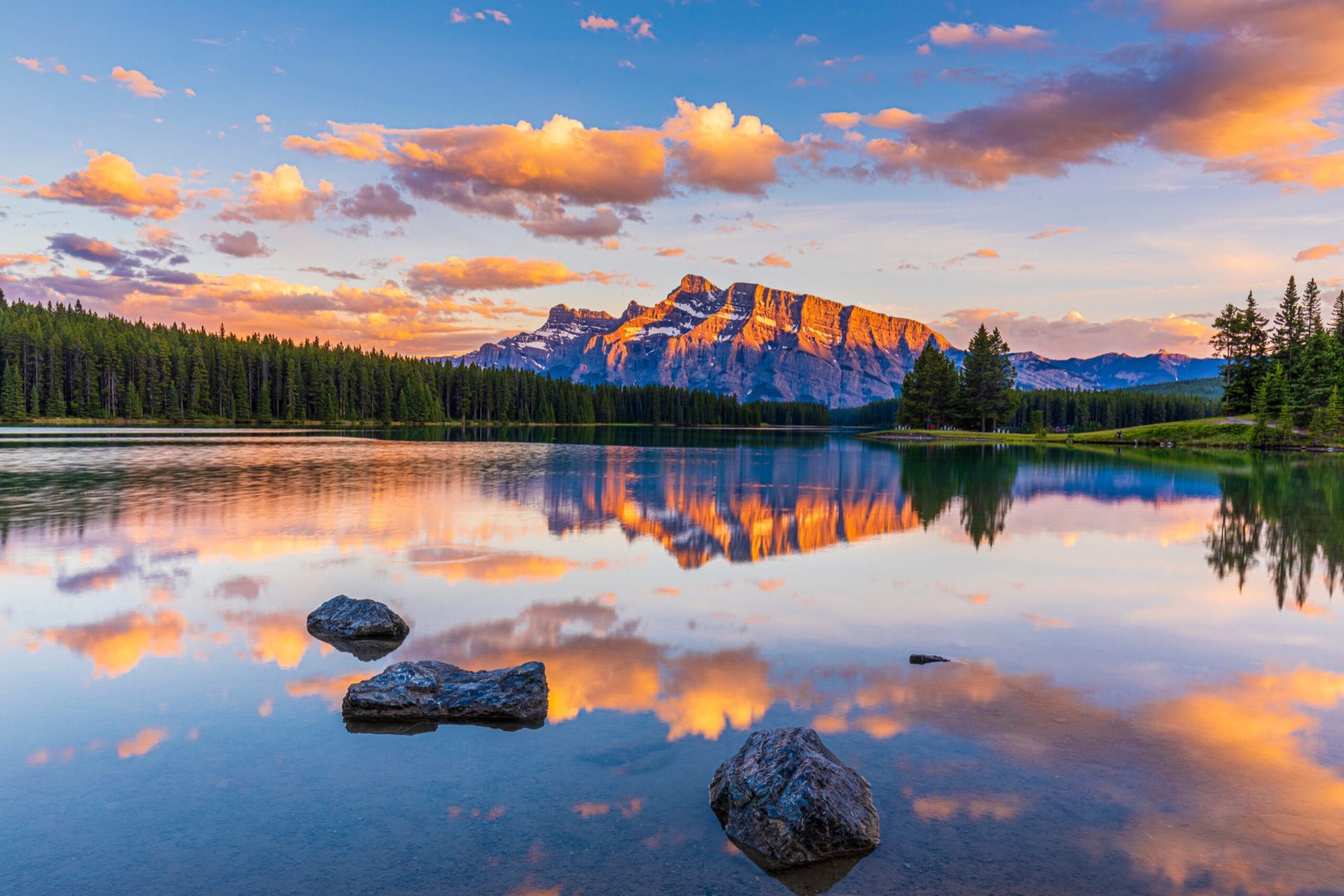
- July (10 to 25°C · very high) — peak. Lakes at their most vivid, sunset near 10 PM, everything at capacity. The Moraine Lake shuttle sells out days ahead on weekends; accommodation books weeks or months out. Plan early, book everything ahead, start days early — or let a guided tour take the access logistics off your plate. The payoff is real: it looks exactly like the photos. Best for: the classic Banff experience at its peak, if you’ve planned ahead.
- August (9 to 24°C · high) — nearly identical to July; crowds thin slightly in the second half. Late August shows the first hints of fall at elevation. Best for: July conditions with better back-half availability.
- September (3 to 18°C · medium, dropping fast after Labour Day) — the month regulars prefer, and it’s not close. Crowds drop sharply after Labour Day; lakes hold summer colour most of the month; comfortable hiking temps. The elk rut begins mid-September — bulls bugle across the Bow Valley at dawn and dusk. In late September the larches turn gold (Larch Valley above Moraine Lake is the famous display, but golden larches appear above ~1,900 m across the park). Best for: larch season, elk rut, the best all-around balance.
- October (−3 to 12°C · low) — fall deepening into early winter. Larches finish by mid-October; snow becomes frequent at elevation. Lower trails stay accessible and beautiful; aspens turn yellow and the Bow River corridor goes warm amber. Some hotels/restaurants reduce hours. Best for: valley foliage, solitude, budget travel.
- November (−9 to 1°C · very low) — the quietest month. Snowpack building, below zero at night, but ski season hasn’t opened. Transitional in character; the town is quiet but fully operational. Best for: complete solitude, off-season rates.
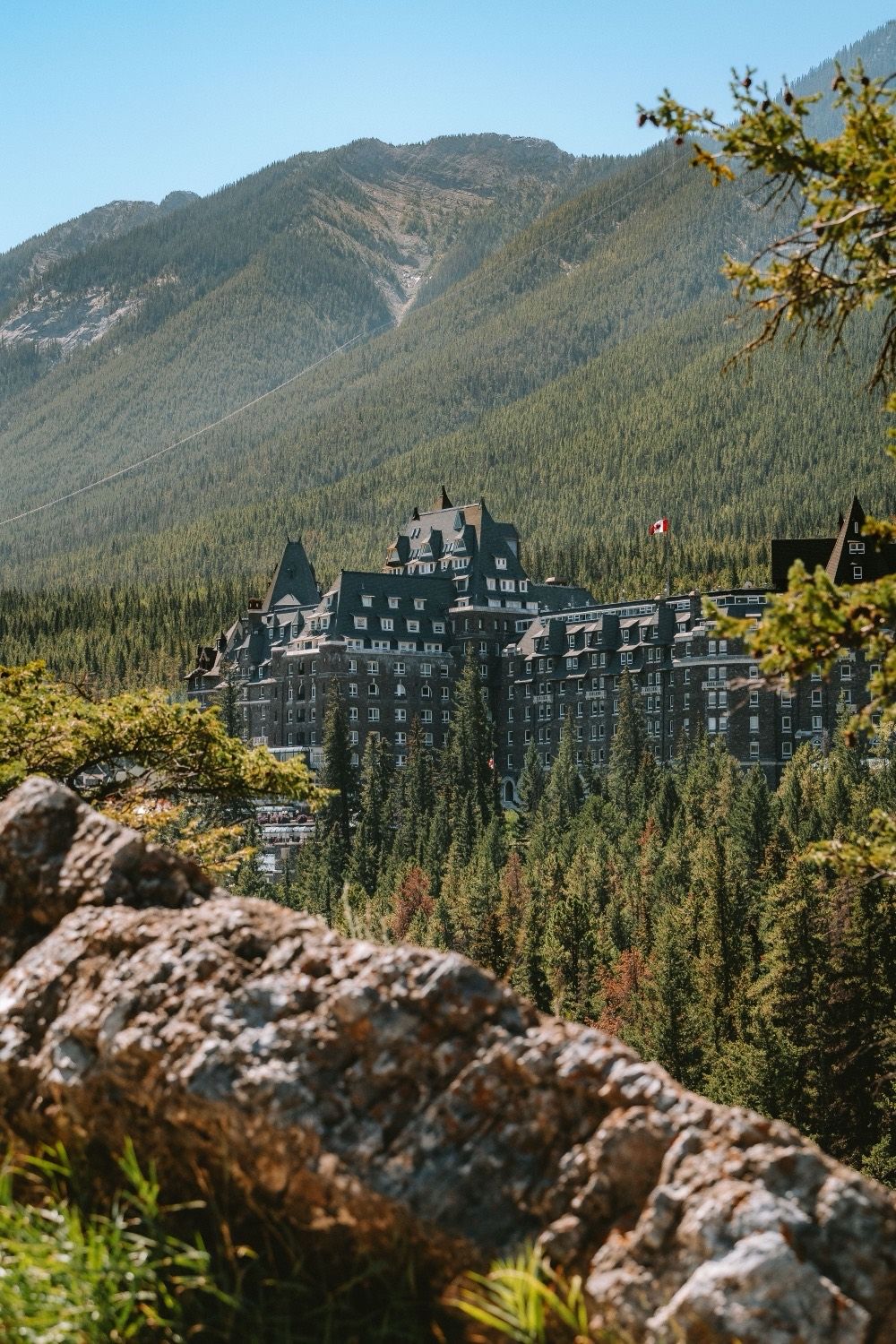
- December (−14 to −3°C · low–medium, except Christmas–New Year) — full winter. Deep snow, dramatic mountains; the Christmas period (~Dec 20–Jan 2) is one of the year’s busier stretches — book early. The Fairmont Banff Springs and Fairmont Chateau Lake Louise go full Christmas décor; December is when the fairy-tale mountain-lodge experience peaks. Best for: Christmas atmosphere, ski season, holiday travel.
What this means for your tour
Most tours run year-round, but the experience changes with the season. Banff in a Day and Lake Louise & Moraine Lake are best June through early October, when Moraine Lake access is open; outside that window the itinerary shifts to Lake Louise and Johnston Canyon’s ice walk. The Icefields Parkway Full-Day Tour runs year-round, and winter on the Parkway is a completely different — for many guests, better — experience. The Banff Dark Sky Stargazing Experience is most spectacular September through March, when nights are long enough for real sky-watching and aurora is possible.
FAQ
What month is Moraine Lake most vivid?
Late June through mid-September; peak turquoise in midsummer when glacial-flour concentration is highest.
Is Banff crowded in September?
Much less than summer — crowds drop noticeably after Labour Day, conditions stay excellent, and larch season starts.
Can you see the northern lights in Banff?
Yes — possible during high solar activity, typically September–March. Our Stargazing Experience is built around it.
Does it snow in June?
High-elevation snow is possible any month; valley snow in June is rare but not impossible. Light snow on the peaks in early summer is common.
Which months should I avoid?
November is the hardest to make a case for; April is similar but great for solitude-seekers.
Browse our full-year tour schedule and book the experience that matches your season. Browse All Tours